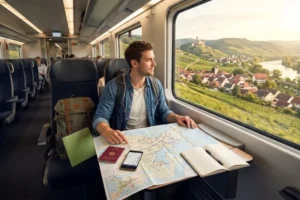
A European weekend break sounds simple until the planning begins. Suddenly, you are comparing six neighbourhoods, fourteen museums, three airports, and a restaurant that only has a table available at 9:45 p.m. By the time the trip starts, the schedule already feels like a second job.
The secret to learning how to plan a European weekend break without feeling rushed is not finding more hours. It is making fewer, better decisions.
A relaxed city escape usually includes one convenient destination, a sensible arrival time, centrally located accommodation, and a short list of experiences that genuinely matter to you.
That does not mean wasting your limited time. It means grouping attractions by area, allowing for meals and transport, and accepting that no city can be “completed” in 48 hours.
With the right structure, you can see major landmarks, discover local streets, enjoy dinner without watching the clock, and return home feeling refreshed rather than needing another holiday.
1. Pick a City That Works for a Short Break
The best weekend destinations are not always the biggest or most famous. Choose a city with a compact centre, straightforward public transport, and several attractions within walking distance. Copenhagen, Ghent, Porto, Kraków, Ljubljana, and Bologna are good examples.
Do not judge a route by ticket price alone. A cheap flight to an airport far outside the centre may cost several valuable hours in transfers. Compare the full door-to-door journey, including airport travel, check-in, border formalities, and the final trip to your hotel.
A slightly more expensive train or flight can offer better value when it gives you an extra evening at your destination.
2. Protect Your Arrival and Departure Days
Weekend trips often feel rushed because travellers treat Friday and Sunday like full sightseeing days. In reality, both include packing, transfers, queues, navigation, and possible delays.
On arrival, plan only one easy activity. A neighbourhood walk, casual dinner, market visit, or riverside drink is enough. Avoid booking an expensive show shortly after your expected hotel check-in.
Keep the final day flexible too. Choose one area near your accommodation or departure route, then leave a generous buffer.
EU passengers have rights in many cases involving significant rail or air disruption, but knowing those rights is still less stressful than missing a connection because your itinerary had no breathing room.
Always follow the operator’s recommended arrival time. Eurostar, for example, advises passengers on many continental services to arrive around 20 minutes before departure, while journeys involving border and security checks may require more time.
3. Organise Sightseeing by Neighbourhood
The easiest way to save time is to stop zigzagging across the city. Divide your destination into two or three geographical clusters and explore one cluster at a time.
Saturday morning might cover the historic centre, followed by lunch and a nearby museum. The afternoon could continue along the river or into an adjacent shopping district. Sunday can focus on a creative neighbourhood, park, market, or viewpoint.
Official short-break itineraries often use this approach. VisitCopenhagen’s 48-hour guide, for example, combines nearby cultural, culinary, and neighbourhood experiences instead of treating the city as a race between disconnected attractions.
Try the One-Two-One Rule
Plan one major attraction in the morning, two lighter experiences in the afternoon, and one relaxed evening activity. The lighter stops could be a market, café, local shop, walking route, or public square.
This gives the day structure without filling every hour. It also creates room for slower meals, bad weather, and unexpected discoveries.
4. Book Only What Truly Needs Booking
Advance reservations are useful, but too many timed tickets make a weekend rigid. Reserve experiences that are extremely popular, expensive, or impossible to enter without a slot. Leave cafés, parks, shopping streets, and flexible museums open.
Avoid scheduling two timed attractions back-to-back. Queues, security checks, crowded transport, or a longer-than-expected visit can quickly create pressure.
Train travellers should also check reservation rules. A rail pass does not automatically guarantee a seat, and some high-speed or international services require advance reservations, especially during busy periods.
5. Choose Accommodation for Convenience
A hotel on the edge of the city may save money, but it can add repeated transport time and make midday breaks difficult. For a short escape, location often matters more than room size.
Look for accommodation within walking distance of the centre or beside a direct metro, tram, or train line. Check the route from your arrival point and confirm that public transport still operates when you arrive.
You do not need to stay beside the main landmark. A local neighbourhood two stops away may offer better restaurants, quieter nights, and more character while keeping the centre accessible.
6. Pack Light and Prepare the Essentials
Carry-on-only travel makes short breaks easier. You can move quickly through stations, avoid baggage collection, and use public transport without dragging a large suitcase over stairs and cobblestones.
Download offline maps, save your hotel address, screenshot essential tickets, and keep travel documents accessible. Non-EU visitors should check current official entry requirements rather than relying on old social media posts, as European border procedures and authorisation systems can change.
Check your mobile plan too. Eligible EU mobile customers can generally use calls, texts, and data in other EU countries without additional roaming charges, subject to fair-use rules. Travellers using non-EU plans should confirm their provider’s rates or arrange an eSIM before departure.
7. Travel at a Human Pace
Walking is part of the fun, but 25,000 steps, two museums, a tower climb, and a late dinner may feel miserable by Saturday evening. Schedule proper meal breaks, sit down occasionally, and use public transport when it saves a long, uninteresting walk.
Pay attention to your energy rather than following the itinerary blindly. When rain begins or you feel more tired than expected, replace an outdoor attraction with a café, market, gallery, or slower indoor activity.
The goal is not to maximise the number of attractions. It is to maximise the quality of the trip.
8. Leave Space for Something Unplanned
Some of the best travel memories come from places you never searched for: a tiny bakery, a courtyard concert, a neighbourhood festival, or a café with no English menu.
Leave at least two unscheduled hours in your weekend. This may look inefficient during the planning stage, but it creates the flexibility that makes a short trip enjoyable.
It also gives you time to return to somewhere you loved. Spending another hour beside the river can be more rewarding than rushing to a minor attraction simply because it appeared on a list.
Knowing how to plan a European weekend break without feeling rushed comes down to smart limits. Choose a compact destination, protect your arrival and departure days, organise sightseeing by neighbourhood, and reserve only the experiences that truly need advance booking.
Stay somewhere convenient, travel light, and build buffers around transport and timed attractions. Most importantly, accept that a weekend is an introduction, not a complete tour. You are allowed to miss a museum, skip a famous viewpoint, or spend longer over lunch.
Pick one European city, choose three priority experiences, and build the rest of the trip around them. A simpler plan will give you more energy, greater flexibility, and a much better reason to return.