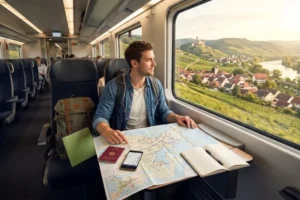
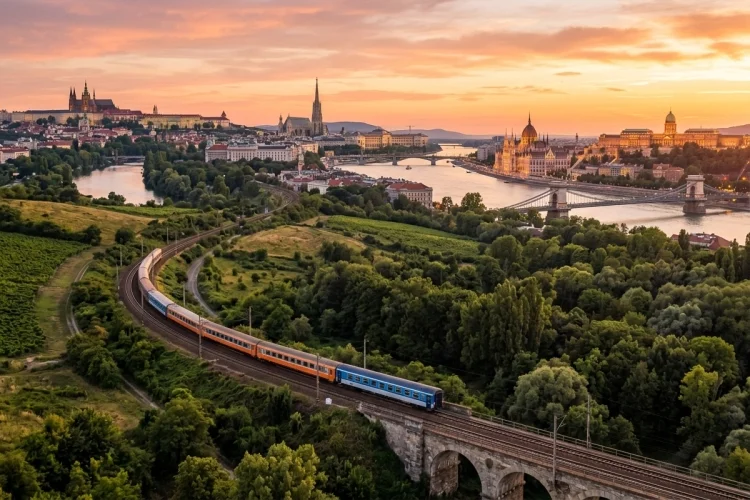
Central Europe is one of those regions that seems designed for an unforgettable multi-city adventure. Medieval streets, imperial palaces, riverside promenades, historic cafés, and lively food markets are often separated by only a few hours on a comfortable train.
That convenience does not mean you should rush. Many first-time travellers make the mistake of squeezing six or seven cities into one short holiday, only to spend most of their time packing, checking out, and sitting in stations.
This Ultimate Central Europe Itinerary for First-Time Visitors follows a more enjoyable route through Prague, Vienna, Bratislava, and Budapest. Ten days gives you enough time to experience the personality of each capital without turning the journey into a race.
The route also works naturally from west to east. You can arrive in Prague, travel between cities by rail, and fly home from Budapest, avoiding unnecessary backtracking.
Pack comfortable shoes, leave some flexibility in your schedule, and prepare for a journey filled with castles, cafés, architecture, and excellent local food.
Why This Ten-Day Central Europe Route Works
Prague, Vienna, Bratislava, and Budapest combine easily because they are connected by established international railway routes. Each destination also offers something different, even though they share centuries of overlapping Central European history.
Prague provides Gothic towers, cobbled lanes, and romantic river views. Vienna feels grander and more imperial, while Bratislava offers a compact Old Town that can be explored at a slower pace. Budapest ends the trip with dramatic Danube scenery, thermal baths, markets, and energetic nightlife.
A ten-day schedule gives Prague, Vienna, and Budapest three days each, with one day reserved for Bratislava. Travellers with more time can spend a night in Bratislava or add Salzburg, Brno, Kraków, or the Wachau Valley.
1. Days 1-3: Begin among Prague’s Medieval Streets
Day One: Old Town and the Vltava River
Start your Central Europe itinerary in Prague’s Old Town. Walk through Old Town Square, admire the historic buildings around the Astronomical Clock, and explore the streets leading towards the Vltava River.
Continue across Charles Bridge to the Lesser Town. Construction of the historic bridge began in 1357 and was completed in the early 15th century, creating one of Prague’s most recognisable landmarks.
Visiting early in the morning usually provides a calmer atmosphere than the busy middle of the day.
Spend your first evening somewhere near the river rather than chasing more attractions. Prague is especially enjoyable after sunset, when its towers, bridges, and castle district are illuminated.
Day Two: Prague Castle and Lesser Town
Dedicate your second day to the castle district. Walk uphill or use public transport, then explore the courtyards, churches, viewpoints, and surrounding lanes at an unhurried pace.
Afterwards, return through Lesser Town and Kampa Island. This part of Prague feels quieter than the busiest sections of Old Town and is ideal for an afternoon walk.
Day Three: Explore Beyond the Famous Sights
Use your final Prague day to visit places such as Vyšehrad, the neighbourhood of Vinohrady, or Letná Park. Vyšehrad contains historic fortifications and offers a different perspective on the city’s development.
Leave room for a long Czech lunch or a relaxed café stop. Catching every landmark matters less than experiencing Prague away from the busiest visitor routes.
2. Days 4-6: Discover Imperial Vienna
Direct Railjet services connect Prague and Vienna throughout the day. Czech Railways lists direct journeys at roughly four hours, making the transfer short enough to complete before lunch or during the early afternoon.
Day Four: Vienna’s Historic Centre
After checking in, begin around St. Stephen’s Cathedral and the central streets of the Innere Stadt. Continue towards the Hofburg, the Ringstrasse, and the elegant public spaces surrounding Vienna’s museums and government buildings.
Do not schedule too many museum visits on your arrival day. Vienna’s historic centre is best understood by walking, observing the architecture, and stopping at a traditional coffeehouse.
Day Five: Schönbrunn and the Imperial Story
Reserve most of your second Vienna day for Schönbrunn Palace and its extensive grounds. The former imperial residence is a UNESCO World Heritage site and one of Austria’s most visited attractions, so timed tickets are worth arranging in advance.
Return to the centre for an evening concert, opera performance, or relaxed dinner. You do not need formal clothes for every musical venue, but checking the dress guidance when booking is sensible.
Day Six: Art, Markets, and Local Neighbourhoods
Choose one or two museums rather than attempting to cover every major collection. The MuseumsQuartier, Belvedere, and Albertina appeal to art lovers, while travellers interested in everyday city life may prefer Naschmarkt and the surrounding neighbourhoods.
Vienna’s official guide highlights attractions ranging from the Hofburg and Schönbrunn to the Prater and the city’s major museums. Use those options to create a day around your interests instead of following a fixed checklist.
3. Day 7: Slow Down in Bratislava
Bratislava is an easy stop between Vienna and Budapest. ÖBB operates frequent regional express trains between Vienna and Bratislava, with the journey taking approximately one hour.
Leave Vienna in the morning and store your luggage at your accommodation or station. Bratislava’s compact centre allows you to cover its main historic area comfortably on foot.
Walk through the Old Town, see the Old Town Hall, visit St. Martin’s Cathedral, and continue uphill to Bratislava Castle. The castle overlooks the Danube and houses exhibitions exploring Slovak history, while the Old Town Hall is home to the Bratislava City Museum.
One day is enough for an introduction, but staying overnight lets you experience the centre after day visitors leave. It also creates a less rushed journey before continuing to Hungary.
4. Days 8-10: Finish beside the Danube in Budapest
Travel from Bratislava to Budapest on an international service and check the latest timetable before departure. Rail schedules can change due to seasonal operations or engineering work, so confirm the station and departure time through an official operator.
Day Eight: Parliament and the Pest Side
Begin on the Pest side of the river. Walk around the Hungarian Parliament Building, continue along the Danube promenade, and explore the central streets around St. Stephen’s Basilica.
In the evening, visit the Jewish Quarter for restaurants, street food, and Budapest’s famous ruin-bar scene. The official Hungarian tourism itinerary recommends three days for exploring the capital’s architecture, cuisine, nightlife, and cultural attractions.
Day Nine: Castle Hill and the Buda Side
Cross the river and spend the day around Castle Hill. Fisherman’s Bastion, Matthias Church, and the surrounding streets offer some of the best views across the Danube towards Parliament.
Walk down towards the river or explore quieter residential areas of Buda. A sunset river cruise can be enjoyable, but the same illuminated skyline can also be seen from bridges and riverside viewpoints.
Day Ten: Markets and Thermal Baths
Use your final day for a slower Budapest experience. Visit the Central Market Hall, explore a neighbourhood you missed, and relax at one of the city’s thermal bath complexes.
Book bath tickets ahead during busy weekends and bring appropriate footwear. Finish with a traditional Hungarian meal before your departure or final night in the city.
How to Travel between Central European Cities
Train travel is usually the most practical choice for this route because the stations are generally closer to city centres than airports. It also removes repeated airport security checks, baggage restrictions, and lengthy transfers.
Book international tickets through official operators such as České dráhy, ÖBB, ZSSK, or MÁV. Prague-Vienna direct trains run regularly, Vienna-Bratislava services operate several times per hour, and Budapest has frequent international connections towards Austria and neighbouring countries.
Seat reservations may be optional on certain services, but reserving a place is useful during summer, holidays, and weekends. Always confirm whether your ticket is restricted to a particular train.
Practical Planning Tips for First-Time Visitors
Spring and early autumn are comfortable periods for walking and sightseeing, although every season offers something different. Summer brings longer days and outdoor events, while winter delivers Christmas markets and festive city centres.
Stay near public transport rather than paying extra to be directly beside the main square. A hotel two or three metro stops away can offer better value while still keeping the major sights accessible.
Avoid changing accommodation every night. Three-night stays make it easier to manage delays, rest when needed, and discover places beyond the headline attractions.
Download offline maps, save digital copies of train tickets, and check entry requirements based on your nationality. Travel with a small amount of flexibility because railway work, weather, and attraction opening hours can affect even the best Central Europe travel plan.
The Ultimate Central Europe Itinerary for First-Time Visitors proves that a multi-country holiday does not need to feel rushed. Three days in Prague introduce you to medieval architecture, while Vienna adds imperial history and world-class culture.
Bratislava provides a relaxing pause before Budapest completes the journey with river views, thermal baths, and vibrant neighbourhoods. The key is maintaining a comfortable pace.
Book major train journeys early, reserve popular attractions when necessary, and leave several hours unscheduled in every city. Those open spaces often lead to the most memorable cafés, streets, and local discoveries.
Start by confirming your travel dates and arrival city, then book an open-jaw journey into Prague and home from Budapest. Once the main transport is secured, the rest of your Central European adventure can fall naturally into place.